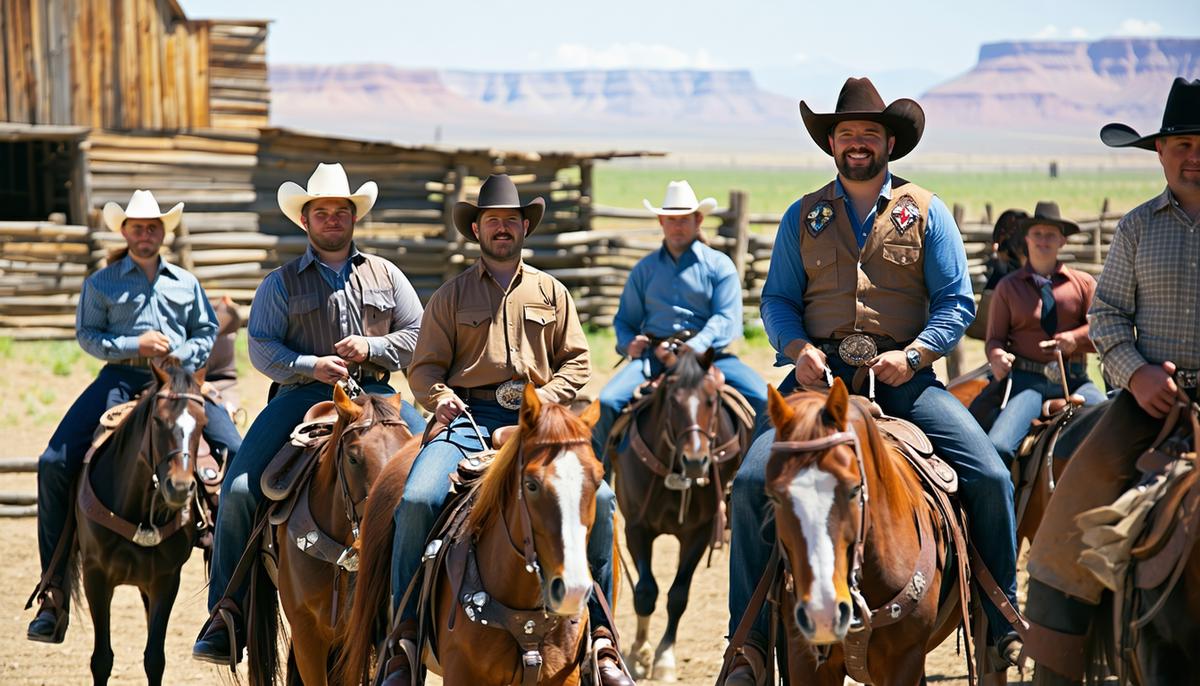
Picture the American West of the 1850s, a place where diverse cultures and stories intertwined against a backdrop of rapid change and conflict. It’s a landscape where the promise of gold and new beginnings met the harsh realities of survival and displacement. The era was marked by ambition, tension, and transformation, offering a rich blend that goes beyond the familiar tales of cowboys and sunsets.
Historical Context of the American West
The 1850s in the American West was a bustling confluence of multiple cultures, each with their own story to tell. While movies often have us believe in a wild tale of cowboys galloping towards the sunset, the truth was a landscape teeming with tension and transformation. Pioneers, eager for gold and a fresh start, coexisted with Indigenous tribes fighting to hold on to their territories and way of life.
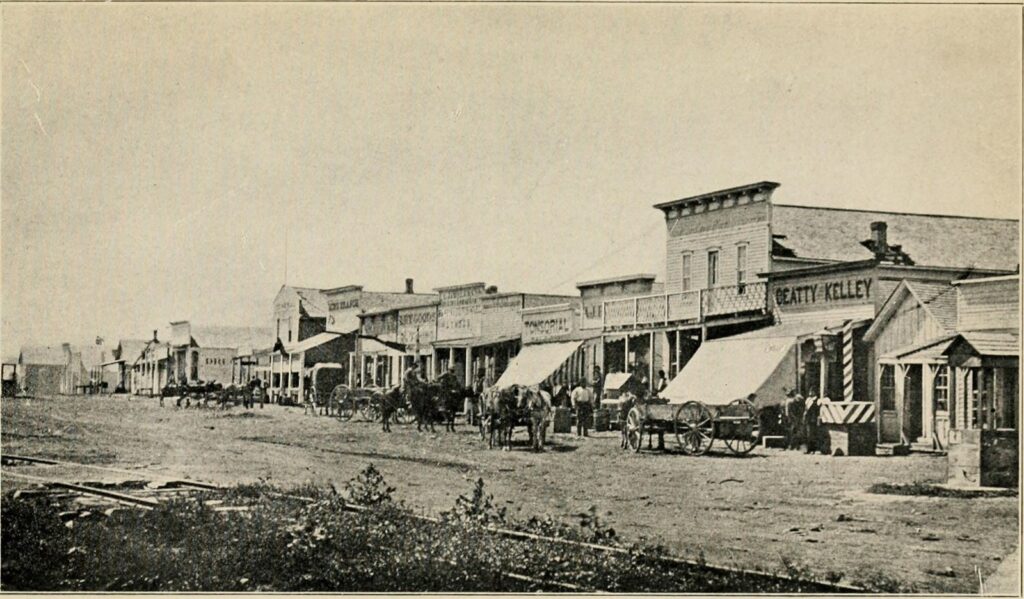
The California Gold Rush pulled thousands westward, creating a feverish scene where towns sprang up seemingly overnight. Life was fast-paced and uncertain, a real-life game of gold and grit, where only the toughest seemed to prevail. Yet, beyond these dreams of wealth, lurked the reality of displacement as native tribes faced endless pressure from settlers.
The Utah War adds another layer of tension. The Mormons, carving out a space in Utah, clashed with the federal government. It was a loud holler of mistrust that poured over into violence, leaving its mark as groups vied to protect their way of life.
Over in the high plains and sweeping valleys roamed brave souls like the Shoshone and Comanche, who carried their histories in song and story. Rugged mountain men, explorers, and traders parlayed with chiefs and followers, each interaction a junction of culture and commerce.
This era saw mighty shifting of borders, both geographical and social, with the railroad racing to stitch the East and West. It wasn’t just a mechanical feat but a driving force reshaping the very fabric of daily life. From the heart of the Rockies to the plains, the locomotive’s whistle became a siren call, echoing hope for some and loss for others.
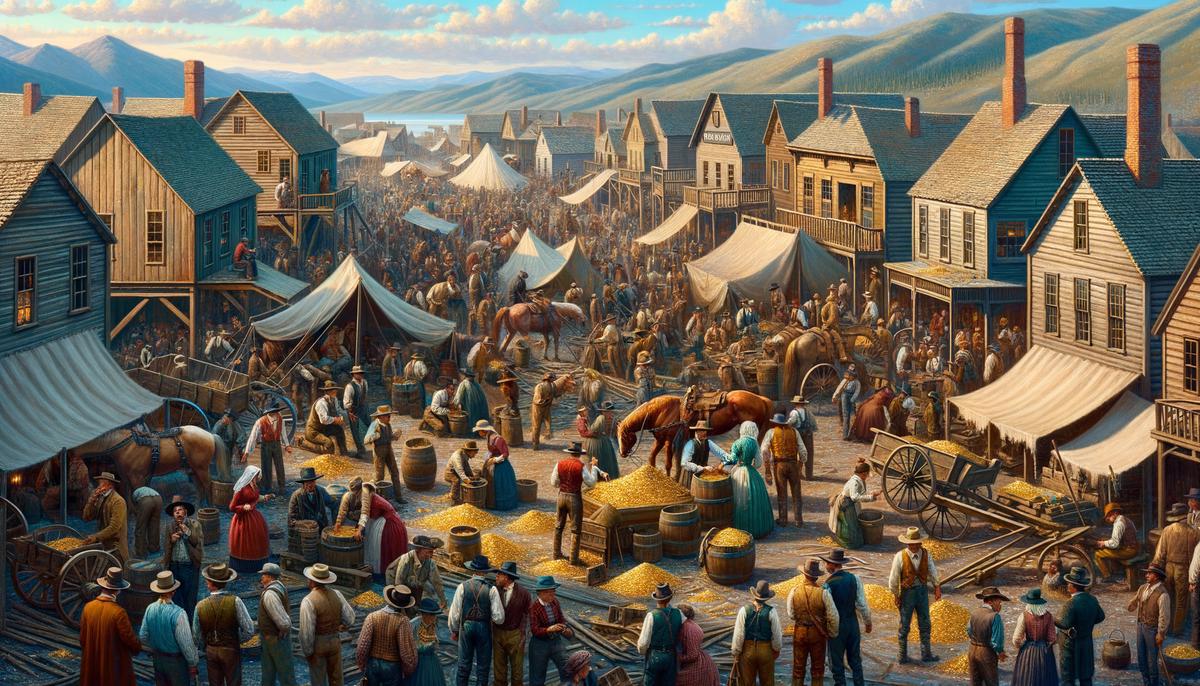
The Mountain Meadows Massacre
The Mountain Meadows Massacre of 1857 is a dark chapter in the story of the American West. In Southern Utah, a caravan of hopeful pioneers from Arkansas, known as the Baker-Fancher wagon train, made their journey to California. Unbeknownst to them, they rode into a gathering storm of mistrust, religious tension, and territorial strife.
The Mormons, led by Brigham Young, had settled in Utah, carving out a sanctuary in the remote wilderness. The Utah War loomed large, a conflict between the US government and the Mormon settlers, who feared federal interference. Against this backdrop of suspicion, the Baker-Fancher party unwittingly found themselves in danger.
The Mormon militia, tangled in fear and fervor, disguised themselves as Native Americans and enlisted members of the local Paiute tribe. The pioneers, initially under siege, brokered an uneasy truce with their assailants. Promises of safe passage turned to treachery, and in a brutal betrayal, the militia attacked, leaving over a hundred men, women, and children dead at Mountain Meadows.
The Mountain Meadows Massacre is a somber reminder of the complex dance of heritage, hope, and hostility on the frontier.
The implications rippled far beyond the blood-soaked ground. For the Mormons, it was a point of reflection on the extremes committed in the name of survival and faith. For the federal government, it highlighted the turbulent fringes of a rapidly expanding nation still struggling to define its identity.
Cultural Representation in Media
In modern media, the portrayal of cowboy and pioneer culture often balances between historical accuracy and creative storytelling. Series like ‘American Primeval’ take on the challenge of depicting the complex American West of the 1850s. It’s a balance between accuracy and art, where creators seek to illuminate realities while weaving captivating stories.
‘American Primeval,’ under the direction of Pete Berg, sheds light on lesser-known facets of history like the Mountain Meadows Massacre. It invites introspection and questions the neat, heroic tales often associated with the American frontier. While historical dramas sometimes bend the truth, Berg’s approach demonstrates an effort to maintain an authentic atmosphere, with historical consultants ensuring period-appropriate details.
This series offers views of cultural intersections that film and television have frequently simplified. By showcasing characters like the Shoshone-raised Isaac, it explores cultural nuance and complexity, highlighting the layered identities of those who thrived on the frontier. It acknowledges the many voices—Native Americans, settlers, traders—each contributing to the soundscape of the Wild West.
However, the series also takes creative liberties, spinning fictional relationships and intrigues to engage viewers emotionally. These elements are crafted to draw audiences into the harrowing treks and personal dramas, even as authenticity remains a priority.
The result is a dual impact on public perception. The series educates and evokes curiosity for the authentic experiences that shaped the era, while also layering these tales with a cinematic glaze that makes history both tangible and captivating. This blend of truth and tale challenges our understanding, making us scrutinize these portrayals.
Perhaps what resonates most is how ‘American Primeval’ and similar shows reflect our own modern complexities. In a world still full of cultural and political dynamics, these narratives remind us to reflect on the past’s lessons while considering future influences.
Exploring Cowboy Culture Across America
Ready to saddle up for a journey through the heart of cowboy culture across America? Whether you’re a seasoned wrangler or just curious about the old West, these destinations offer a glimpse into a world where adventure rides shotgun.
Houston, Texas
Known for its cowboy spirit, Houston offers an exciting escape into Western culture. The Houston Livestock Show and Rodeo is a spectacle not to be missed, with thrilling bull rides and live country music. Houston’s culinary scene serves up hearty Texan barbecue with Southern charm. From horseback rides on sprawling ranches to exploring Texas’ rich Western history in museums, there’s something for every cowboy enthusiast.
Nashville, Tennessee
This city blends country music and cowboy flair beautifully. The Grand Ole Opry and Ryman Auditorium resonate with history and melody, celebrating cowboy culture with toe-tapping charm. Engage with the local music scene and explore Western fashion, where cowboy boots and hats are more than just attire—they’re a statement.
Wyoming
Wyoming seems tailor-made for cowboys and cowgirls. Imagine riding across sweeping ranchlands, surrounded by stunning vistas. Cody and Jackson Hole offer endless opportunities to tap into cowboy history and culture. And the scenery! The majestic peaks of Yellowstone and Grand Teton provide an unforgettable backdrop for Western festivals and rodeos.
Georgia
In Georgia, outside Atlanta’s urban bustle, cowboy culture thrives. Horseback rides through forested trails offer a peaceful retreat, while the state’s Southern comfort cuisine tempts with delicious delights. Whether you’re two-stepping to country tunes or riding wooded paths, Georgia offers a warm Southern welcome to all cowboy adventurers.
Missouri
Missouri invites you to explore Western history and modern-day adventures. Trace the Missouri River to discover landmarks steeped in ranch and river route tales. Try your hand at horseback riding and cattle drives, or head to the Ozarks for natural splendor and memorable cowboy escapades. Vibrant country music venues provide the perfect soundtrack to your adventures.
Each of these destinations weaves together stories of cowboy lore and pioneer spirit, flavoring America’s landscape with tales of grit and independence. Whether you dream of galloping across open plains or listening to tall tales around a campfire, these places invite you to embrace the romance and history of cowboy culture. So grab your saddle and hit the trail—there’s no telling what Western wonders await just up the road.
Personal Reflections on Cowboy Culture
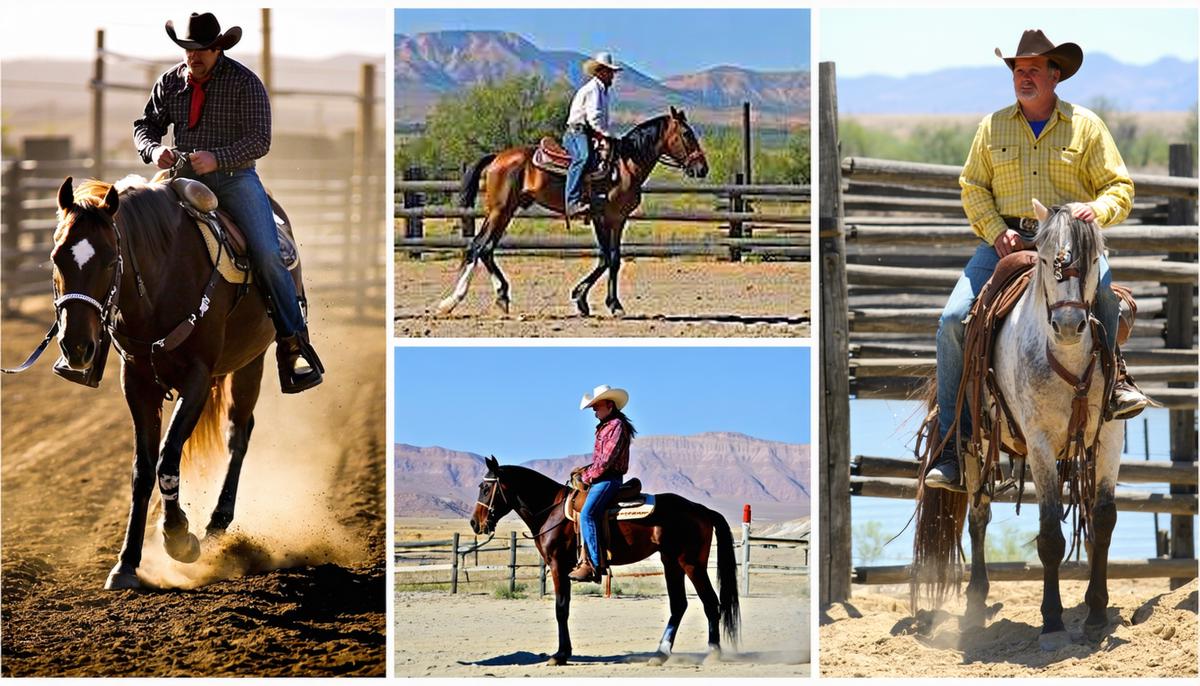
There’s something special about immersing yourself in cowboy and pioneer culture. It’s not just about roping cattle and wide-open skies; it’s a story of tenacity, community, and an indomitable spirit that speaks to something deep within us all.
At a Texas rodeo, you see more than clowns and bull riders. It’s a display of skill and grit, balancing danger and grace. In a local barbecue joint, the laughter and smoky aromas remind you that some of the best meals are shared, not just eaten.
Nashville’s country songs capture the emotional range of life on the range. The music doesn’t just entertain; it connects you to an emotional landscape as vast as the frontier itself. The cowboy life, I’ve learned, is full of empathy for life’s ups and downs.
In Wyoming’s rugged mountains, the sheer size of the land hits you. At dawn, with the crisp air, you feel the quiet strength this wilderness demands. It teaches humility, reminding us that nature still holds sway despite our modern comforts.
Traveling between landmarks in Georgia and Missouri, you realize the importance of stories. These tales, shared around campfires or during square dances, link past and present. Talking to modern cowboys shows they’re keeping alive more than just a look; they’re guardians of a powerful legacy.
These experiences have changed how I see things. They’re not just tourist stops—they’re ongoing stories of challenge and redemption. It’s personal growth through exploration, encouraging us to look beyond what’s right in front of us.
"I set out to relive cowboy lore but found life lessons woven into the culture. It's amazing how travel can change our view of the world and ourselves. Here's to journeys that bring us home, not just physically, but deeper into who we are."

Exploring cowboy culture isn’t just about revisiting history; it’s about connecting with the enduring spirit of resilience and community. These experiences remind us that every journey shapes our understanding of the world and ourselves, leaving a lasting impression on our hearts and minds.
Must-Visit Destinations for Cowboy Culture Enthusiasts:
- Houston, Texas: Home to the Houston Livestock Show and Rodeo, one of the largest in the world
- Nashville, Tennessee: The heart of country music, featuring iconic venues like the Grand Ole Opry
- Wyoming: Offering vast ranchlands and Old West landmarks in towns like Cody and Jackson Hole
- Georgia: Experience horseback riding through the Appalachian foothills
- Missouri: Explore landmarks along the Missouri River and partake in ranch activities
These destinations encapsulate the diversity of America’s cowboy and pioneer heritage, inviting visitors to immerse themselves in the rustic charm and spirited history of the West1.