
Cultural Respect and Non-Verbal Communication
Bowing is fundamental in Japanese culture. A slight nod works for casual interactions, while formal situations call for a deeper bow. Remember, you don’t have to reach the floor. Keep hands at your sides unless meeting the emperor.
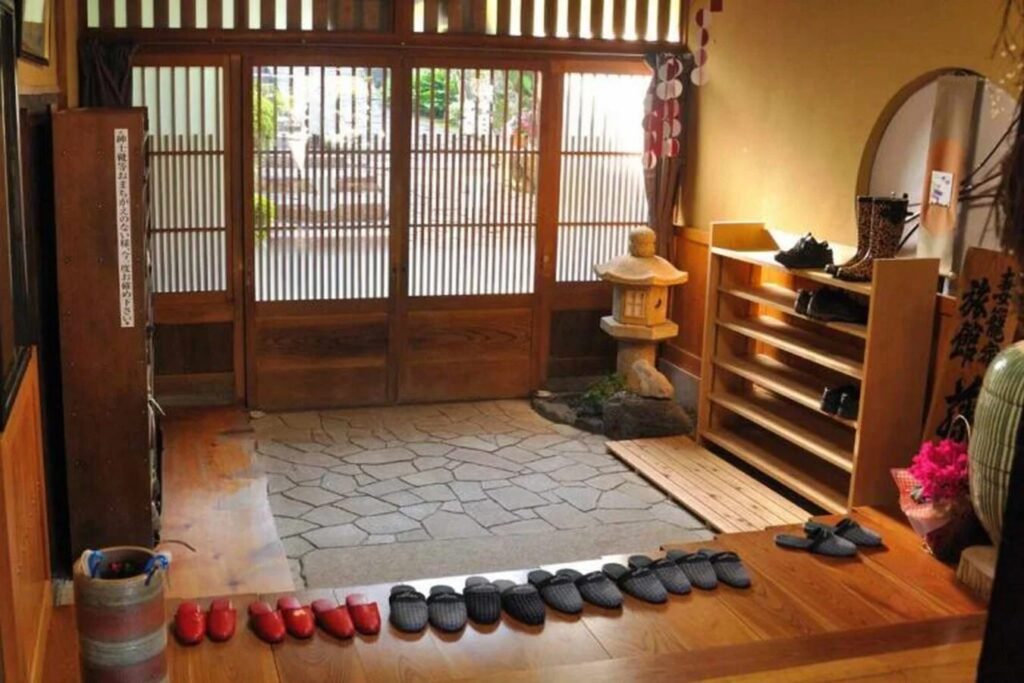
In Japan, shoes are for outdoors, not inside. At traditional inns, homes, or some restaurants, you’ll see a genkan, the entryway signaling to remove shoes. Guests often receive slippers for indoor wear. This practice keeps spaces cleaner and shows respect.
Public spaces in Japan are quiet. Trains and buses are hushed sanctuaries where conversations are whispered. Keep your phone silent and speak softly. It’s about maintaining shared harmony.
These customs have deep roots in Japan’s history. Bowing isn’t just physical; it’s a language showing gratitude or agreement. Shoe etiquette stems from practicality and cleanliness, both highly valued.
These practices highlight patience and consideration. As you blend in—or try to—it’s heartening to know these small gestures are appreciated. They’re like secret handshakes; once learned, you’re part of the club.
Dining and Public Space Behavior
The culinary landscape of Japan is filled with delicious sushi, comforting ramen, and many rules about enjoying them. Eating here is a chance to explore culture and observe traditions.
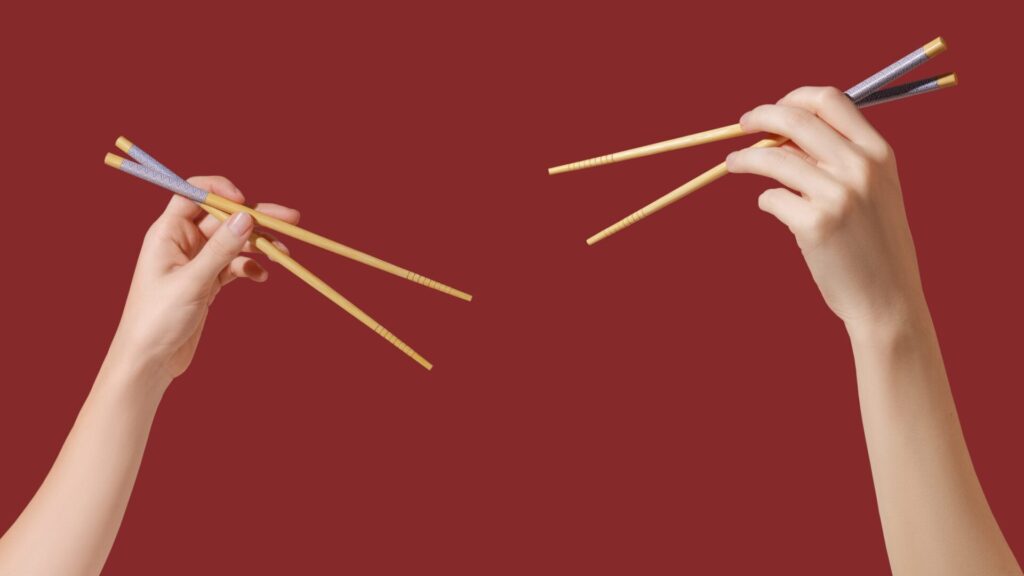
Chopstick Etiquette
- Never stick chopsticks upright in rice (reserved for funeral rituals)
- When not using them, lay them on the provided rest or parallel across your dish
In traditional settings like tatami rooms or cozy local spots, be ready for the shoe shuffle. Outside footwear stops at the door; you’ll usually get slippers for indoor use.
Eating while walking isn’t commonly accepted, except at food festivals or specific street food areas. Most locals sit to eat, even with takeout food. It’s a lesson in mindfulness and an excuse to slow down and savor each bite.
These norms are Japan’s way of saying, “When in Tokyo.” As you explore culinary adventures across markets or sushi bars, tread lightly. Embrace each meal as a shared cultural moment, making it about more than just the food, but how it’s enjoyed.
Handling Payments and Transactions
In Japan, cash often tops the payment pile. This approach echoes simpler times and fits Japan’s unique financial style. Cash transactions are immediate and clear, aligning with the nation’s attention to detail.
Planning is key. Picture this: you’ve found a quaint stall with hand-carved trinkets or local treats, only to realize your card is useless. Avoid this by carrying cash – crisp and plentiful. Visit ATMs at convenience stores to stock up. These machines accept most international cards and provide yen for your journey.
Tipping isn’t practiced in Japan. Whether enjoying sushi or staying at a ryokan, don’t leave extra cash. Quality service is expected, and tipping can create awkwardness. A sincere “arigatou gozaimasu” with a warm smile and slight bow best shows gratitude.
As you explore Japan with your yen supply, remember each exchange is more than a transaction. It’s an interaction rooted in tradition and respect. Whether buying ceramics or paying for a taxi, the sound of coins and bills forms a comforting backdrop to your adventure.
Safety and Social Interactions
Japan ranks among the safest countries globally, where lost wallets often return intact. This calm shouldn’t lead to complacency. Stay alert, especially in busy areas like Tokyo’s Shibuya or Osaka’s nightlife districts.
Personal space is prized in Japan. Picture a crowded subway: silence surrounds you as each person maintains an invisible bubble—an unspoken agreement to coexist without intrusion. This quiet respect permeates daily interactions, from avoiding direct eye contact to preferring soft-spoken exchanges.
Tips for Social Interactions:
- Start with a smile, bow, and humility
- Use phrases like “sumimasen” (excuse me) to open doors to polite conversations
- Join shared experiences, like cooking classes or local tours, to meet fellow adventurers and locals
To mingle with locals, read the situation—whether in a public bath, café, or gallery. Many Japanese are curious yet shy, so finding common ground helps. Comment on sake at a tasting or admire temple architecture to spark exchanges. Listen actively and let interactions flow naturally.
While Japan is safe and harmonious, trust your instincts. If something feels off, step away or seek help. Local koban (police boxes) in neighborhoods are safe havens with officers ready to assist visitors.
Your Japan journey combines caution and curiosity. With awareness and openness, you’ll enjoy personal safety and heartwarming connections. Step into this cultural dance gracefully, letting each interaction become a beautiful part of your adventure.
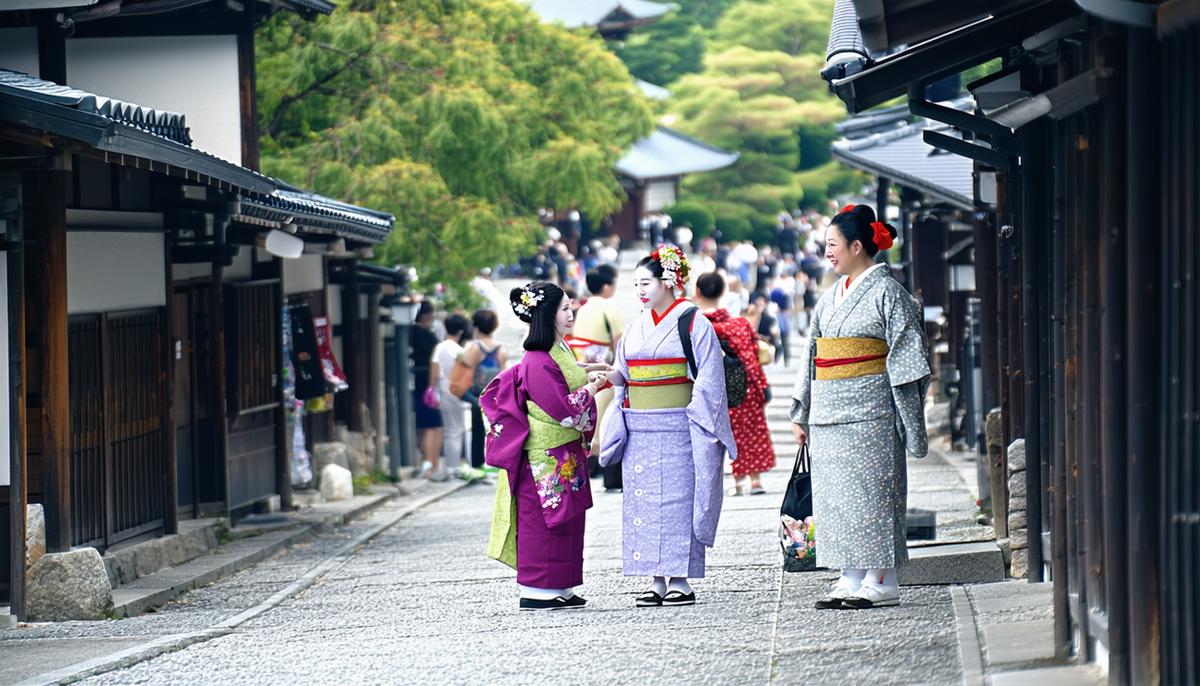
As you explore Japan’s vibrant landscape, remember that every interaction offers a chance to connect deeply. Appreciate the quiet moments and embrace the traditions shaping this remarkable culture. Savor each experience and fill your journey with meaningful encounters and cherished memories.
- Institute for Economics and Peace. Global Peace Index 2018: Measuring Peace in a Complex World. Sydney; 2018.
- Japan National Tourism Organization. Etiquette & Customs. Tokyo; 2021.
- Lonely Planet. Japan Travel Guide. 16th ed. Melbourne: Lonely Planet Global Limited; 2021.