
Māori Cultural Experiences
In New Zealand, immersing yourself in the Māori way of life opens up a world of rich traditions and stories. It’s a place where ancient customs and the present coexist, giving travelers a unique perspective.
On Kapiti Island, you can learn about nocturnal kiwi habits with a Māori family, operating since 1820. Experience glamping close to these strange, flightless birds, falling asleep to the sounds of nature.
Orakei Korako, known for its geysers and jade-green waters, once sheltered native Māori communities. The land still feels alive with their spirit.
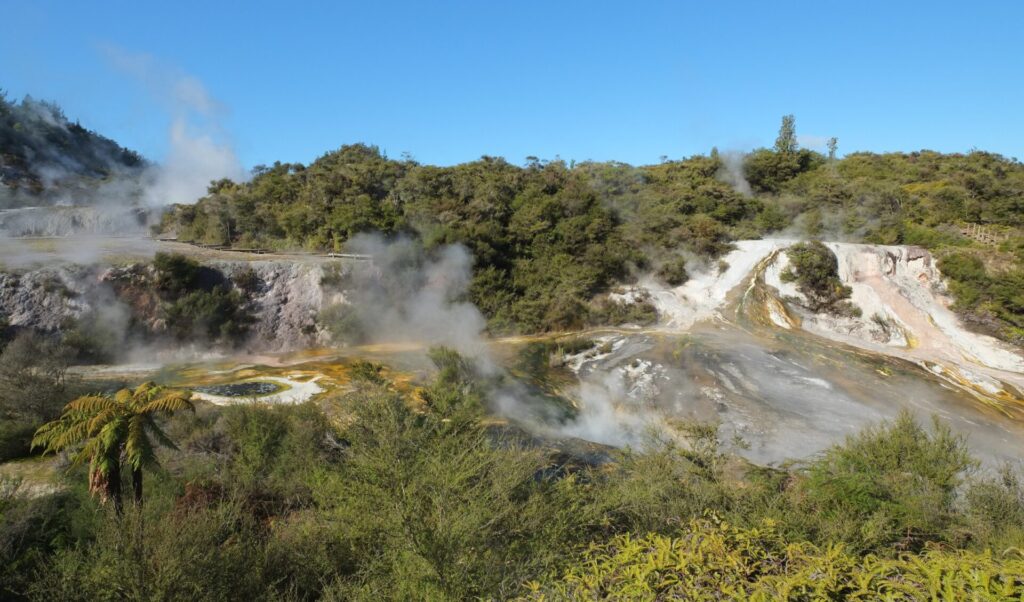
At Mount Tarawera, you can explore places where communities once thrived during the “Ancestral Footprints Cultural Tour.” It’s a chance to connect with the area’s history, including the famous pink and white terraces that once graced Lake Rotomahana.
Maunga Hikurangi, the sacred mountain, offers a sunrise experience alongside nine Māori carvings that tell stories about Maui, the demi-god who is said to have slowed the sun.
For a taste of Māori cuisine, join Deon Muir’s ocean adventure. Catch fresh seafood and prepare it using traditional Māori techniques, all while hearing stories passed down through generations.

At Kohutapu Lodge, you can enjoy a hāngī feast under starry skies, sharing tales of identity and tradition over dishes cooked in traditional earth ovens.
Rotorua’s Mitai Māori Village offers a living display of tradition. Watch Māori warriors paddle canoes, perform dances, and showcase the powerful haka. Each performance is both entertaining and educational.
These experiences offer a chance to connect with Māori culture not just as a tourist, but as someone eager to learn through real experiences.
Significant Māori Sites
The Waitangi Treaty Grounds, recognized as the birthplace of modern New Zealand, offer a deep dive into the country’s history. Here, amid stunning views of the Bay of Islands, you can explore where New Zealand’s founding document was signed. Guided tours, led by descendants of treaty signatories, provide personal insights into this pivotal moment in history.
In the Waipoua Forest on the North Island’s west coast, you’ll find Tāne Mahuta, the awe-inspiring “lord of the forest.” This massive kauri tree, over 2,000 years old, is deeply significant in Māori mythology. The experience goes beyond ecology, offering a spiritual connection to the forest’s ancient soul.
At Lake Taupo, Mine Bay showcases impressive Māori rock carvings. Created in the 1970s by master carver Matahi Whakataka-Brightwell, these works are accessible only by water and reflect the deep connection Māori have with the land and their ancestors. A guided kayak or boat cruise can help you fully appreciate the power and intricacy of this art.

These sites offer more than just sightseeing; they provide a chance to connect with New Zealand’s rich cultural heritage and ongoing story.
Māori Art and Craftsmanship
Māori art and craftsmanship blend history and creativity, especially visible in places like Rotorua. Traditional carving is a significant art form, rich in detail and cultural symbolism. Māori carvers create exquisite sculptures, intricate ceremonial weapons, and ornate canoes that tell stories of ancestors and their lands.
Weaving is another cornerstone of Māori arts, transforming materials like harakeke (flax) into beautiful cloaks, mats, and containers. Each weave tells a story, celebrating skilled craftsmanship and communal storytelling.

Contemporary artists like Adrienne Whitewood are redefining Māori art by merging traditional motifs with modern fashion design. Her creations serve as cultural bridges, connecting the past with the present.
Māori art and craftsmanship are dynamic vessels of cultural preservation and communication. Through these art forms, Māori people continue to honor their ancestors’ voices, ensuring their heritage thrives in every carving, weave, and brushstroke.
This blend of ancient techniques and modern interpretations transforms art into an active dialogue, enriching the journey of anyone willing to learn. It reminds us that art, like Māori culture, is vibrant and evolving.
Māori Cuisine and Traditional Cooking
Māori cuisine is a flavorful expression of community, history, and connection to the land. The hāngī, a traditional cooking method, is at the heart of this culinary tradition. It involves cooking food in an earth oven, creating a medley of smoky flavors and tender textures.

Preparing a hāngī is a communal event. A pit is dug and lined with heated stones. Meats and vegetables, wrapped in cloth or leaves, are lowered into the pit and covered with soil. As the food cooks, it absorbs the flavors of the earth and fire.
The hāngī is more than just cooking; it’s a social gathering where stories are shared and traditions passed down. At places like Kohutapu Lodge, visitors can participate in preparing and enjoying a hāngī feast, offering a hands-on cultural experience.
Other Māori culinary experiences include:
- Kai moana (seafood)
- Sweet treats like rewena bread
- Deon Muir’s fishing expeditions, where participants catch, prepare, and feast on fresh seafood
These culinary experiences are moments of cultural immersion, welcoming travelers to share in timeless traditions. In Māori cuisine, every dish is a testament to the bond between people, place, and flavor, offering more than just a meal – it’s a deeper connection to Māori culture.
Māori Spirituality and Legends
In Māori culture, spirituality and daily life are beautifully intertwined. The creation stories form the cornerstone of their cultural heritage, shaping their understanding of the universe. Picture the cosmos unfolding as Ranginui (the Sky Father) and Papatūānuku (the Earth Mother) are separated by their children, bringing light into the world.
Tāne Mahuta, the “lord of the forest,” holds a special place in Māori spirituality. He’s credited with separating his divine parents and creating humans and birds. The giant kauri tree named after him in Waipoua Forest, over 2,000 years old, stands as a living symbol of strength and connection with nature.

Māori legends continue to be shared with travelers today. You might hear about Māui, the clever demi-god who fished up the North Island. These stories carry messages of resilience and the sacredness of the land, passed down through generations.
Cultural Experiences
- Participate in a hōngī—a greeting where noses and foreheads press together, exchanging the breath of life
- Explore sacred sites through guided tours
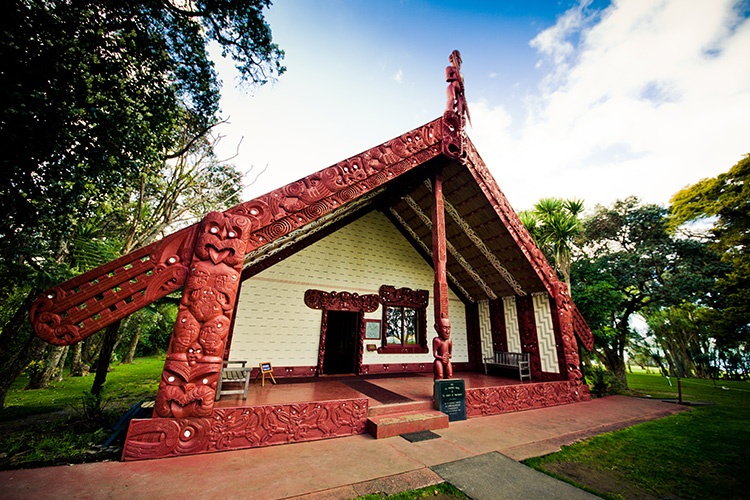
- Engage in rituals at a marae (meeting house)
- Listen to local guides share legends at significant locations
To delve into Māori spirituality and legends is to discover a world where history and identity are deeply connected to nature. These living stories continue to illuminate the path to a deeper understanding of the world and its interconnected magic.

As you explore Māori culture, you’re reminded that travel is about embracing stories that breathe life into the land. Each experience becomes a part of your own journey, creating memories that will stay with you long after you’ve returned home.
"Māori culture is deeply rooted in spirituality and tradition. The ancestors arrived before 1300 CE, bringing with them a vibrant culture that continues to shape the island's identity."
For those seeking an authentic cultural immersion, consider these experiences:
- Stay at Kohutapu Lodge for lakeside accommodations and cultural activities
- Visit Kapiti Island for nighttime kiwi-spotting and glamping
- Explore the geothermal wonders of Orakei Korako
- Join the Ancestral Footprints Cultural Tour around Mount Tarawera
- Witness the sunrise at Maunga Hikurangi, the sacred mountain of the Ngati Porou people
These experiences offer a unique opportunity to connect with the land, its people, and the enduring spirit of Māori culture. As you embark on this journey, remember that you’re not just a spectator, but a participant in the living heritage of Aotearoa New Zealand.