
Historical Significance of Hidden Temples
Among the bustling cities of Japan, there’s a network of hidden temples and shrines waiting to be discovered. These lesser-known sanctuaries, tucked away in quiet groves and forgotten corners, hold secrets of the past. Each of these sacred places has its own history, serving as silent witnesses to local events, natural disasters, and the ebb and flow of dynasties.
Imagine wandering down a quiet path where you might stumble upon a shrine dedicated to local kami, guardian spirits believed to protect the region. In these sanctuaries, ancient rituals have been practiced for generations by communities deeply connected to their land and beliefs.
Consider Kurama-dera, nestled in the northern mountains of Kyoto. It’s not crowded like its famous counterparts, yet it holds legends of Tengu, mountain gods said to impart knowledge to those who visit. This place once served as a retreat for Buddhist monks in the Heian period, a sanctuary amidst the world outside.

In Fukui Prefecture, the Eihei-ji Temple offers visitors a glimpse into Zen Buddhist teachings, as it continues to uphold ancient practices. The temple stands amidst towering cedars, with monks diligently following a disciplined lifestyle that dates back to the 13th century.
In Kamakura, you’ll find tiny shrines that serve as markers of historical events. Hōkoku-ji, known for its serene bamboo grove, whispers of the Muromachi period when samurai warriors once passed beneath its swaying stalks.
These hidden temples and shrines have long served as community hubs, keeping local folklore, legends, and traditions alive through generations. The temple bells that ring out over the valleys are a testament to the endurance of culture, a reminder of values that have weathered time.
Architectural Features of Hidden Temples
The architectural charm of Japan’s hidden temples and shrines offers a captivating contrast to their more famous counterparts. While iconic sights draw millions with their splendor, secluded sanctuaries invite exploration with understated elegance and intricate details.
Imagine entering a world where simplicity meets artistry. A hidden shrine’s torii might be weathered by time, cloaked in moss, and tucked beneath a canopy of trees. These gates are thresholds into spaces steeped in quiet mystery and reverence.
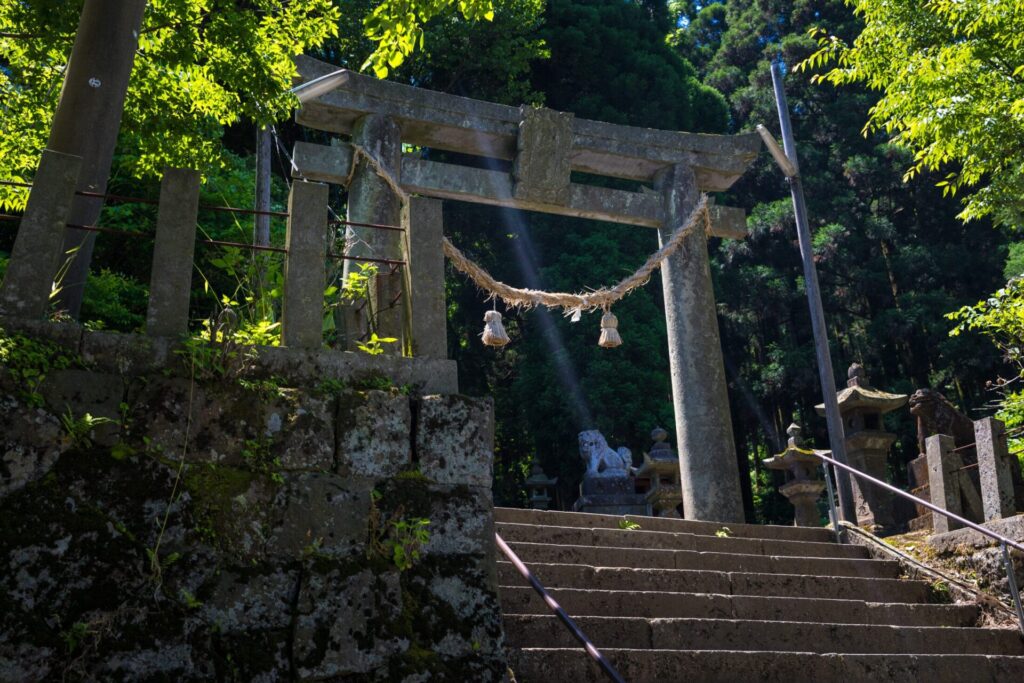
Picture stepped roofs with gently curving eaves, designed to harmonize with the natural landscape. Each wooden beam and roof tile tells a story of craftsmanship imbued with purpose and humility. The timber, often left unpainted, allows the passage of time to leave its mark.
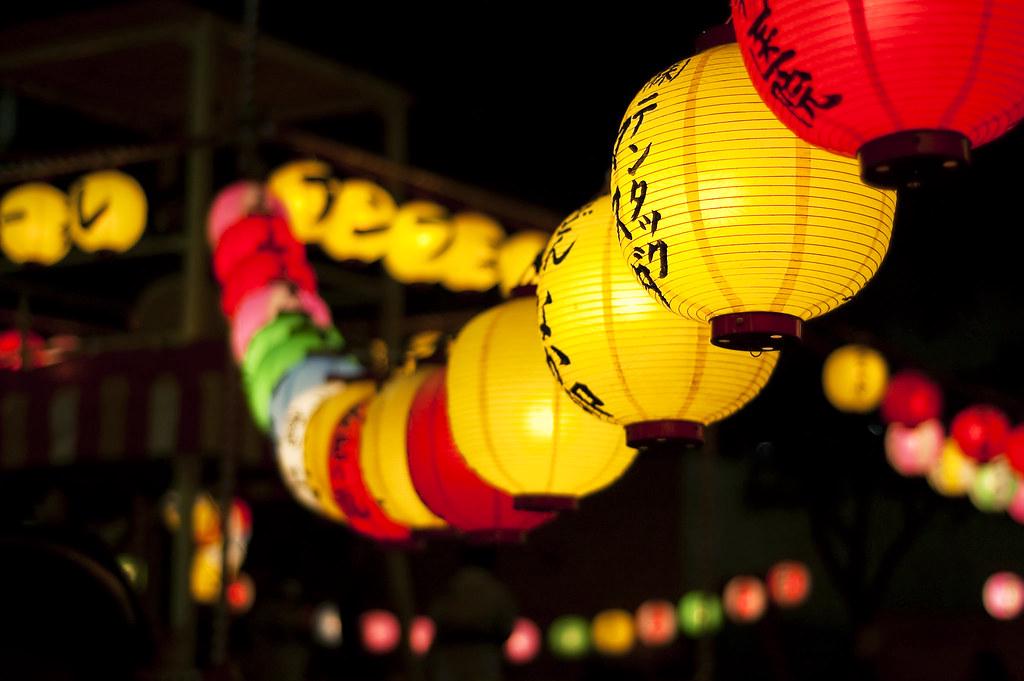
The haiden and honden structures in these hidden sanctuaries offer intimate prayer spaces. The faint scent of incense mingles with the forest air as delicate paper lanterns softly illuminate the path. Entering these less-visited halls feels like stepping into a sacred cocoon.
Look closer at the intricate latticework of a secluded Buddhist temple. Each element is symbolic, narrating tales from Buddhist scriptures or Shinto myths, rich in metaphor and meaning.
The gardens surrounding these lesser-known sites often blend into their surroundings, an unmanicured testament to nature’s own creativity. It’s a peaceful chaos – an asymmetry that feels somehow fitting.
Being in the presence of these architectural treasures can be intensely personal. The humility displayed in their construction speaks volumes – reinforcing that it’s not the grandeur of the structure that defines its significance, but the spirit within.
Cultural Practices and Rituals
In Japan’s hidden temples and shrines, cultural practices and rituals breathe life into these sacred spaces. Here, ceremonies unfold with a grace that connects the past with the present, engaging all the senses.
During the Obon festival, you might witness families gathering to light candles in small stone lanterns, their flames flickering softly in the dusk. They send prayers skyward along with the gentle rhythm of traditional Bon Odori dance, inviting the spirits to visit the living.
You might find smaller, intimate rituals unique to the locale. The Shinto practice of shimenawa, a sacred rope woven with rice straw, often adorns the entrances or sacred spaces within temples and shrines. Seeing the care with which the local community replaces these with fresh strands speaks to a continued reverence for tradition.
In these quiet settings, you’ll hear the soft echo of kodo, the way of incense. Each scent tells a story or invokes a specific memory, as participants allow the aroma to guide them through meditative journeys.
Beneath ancient cedar trees, you might encounter a chadō, or Japanese tea ceremony. This ritual is elevated to an art form in its understated simplicity, where each deliberate motion is steeped in symbolism. The tea ceremony transforms from a simple act of drinking to a profound communion, marking the beauty in transience and mindfulness.
You might also come across villagers participating in a traditional kagura dance to appease the kami. These spirited dances, often held in shrines during festivals, are performances believed to entertain and invite blessings from the gods.
Every step you take through these hallowed grounds becomes part of an ongoing story – a storied past unveiled through the lived experiences of present-day rituals. Embrace each moment as a rich blend of time and tradition, each thread a living testament to Japan’s spiritual and cultural richness.
Experiencing the Journey
There’s something special about the journey itself when seeking out Japan’s hidden temples and shrines. Picture yourself setting off at dawn, the sky a blend of pastel hues. Whether you’re winding through quiet backstreets or trekking up mountain trails, each path pulses with a promise of adventure.
If you’re traveling by train, the rhythmic click-clack of wheels becomes a soothing mantra. Vast fields give way to small towns, morphing into lush forests punctuated by curious rock formations and snaking rivers. The anticipation builds at each stop: will this be the place where you find a hidden treasure?
For those who prefer a more tactile experience, the trails call. Imagine soft sunlight filtering through a canopy of ancient trees, dappled patterns dancing on the earth beneath your feet. The moss-covered stones that mark your way have been trod by countless feet across generations.
As you ascend, maybe to a hilltop temple, the exertion adds its own reward. The path becomes a teacher, each switchback and hill crest offering new perspectives. A curious side trail might lead to a bubbling mountain spring, or a fallen log provides the perfect perch for catching your breath and taking in the breathtaking scenery.
It’s the unexpected encounters that color your journey with richness. You might meet a fellow wanderer who shares your curiosity, or a local farmer pausing from their work to offer a warm greeting.
Each twist and turn along your exploration whispers of stories waiting to be uncovered. A stray animal leading you to a secret pathway, the distant peal of a temple bell, or an old shrine marker half-hidden in the underbrush, they all weave a pattern of discovery that is uniquely yours.
Amidst the allure of emerald forests and hushed valleys, every moment becomes its own story, every discovery a new verse in your travelogue. The journey itself becomes a sublime part of the experience, a thrilling dance between anticipation and fulfillment.
Hidden Gems Along the Nakasendo Road
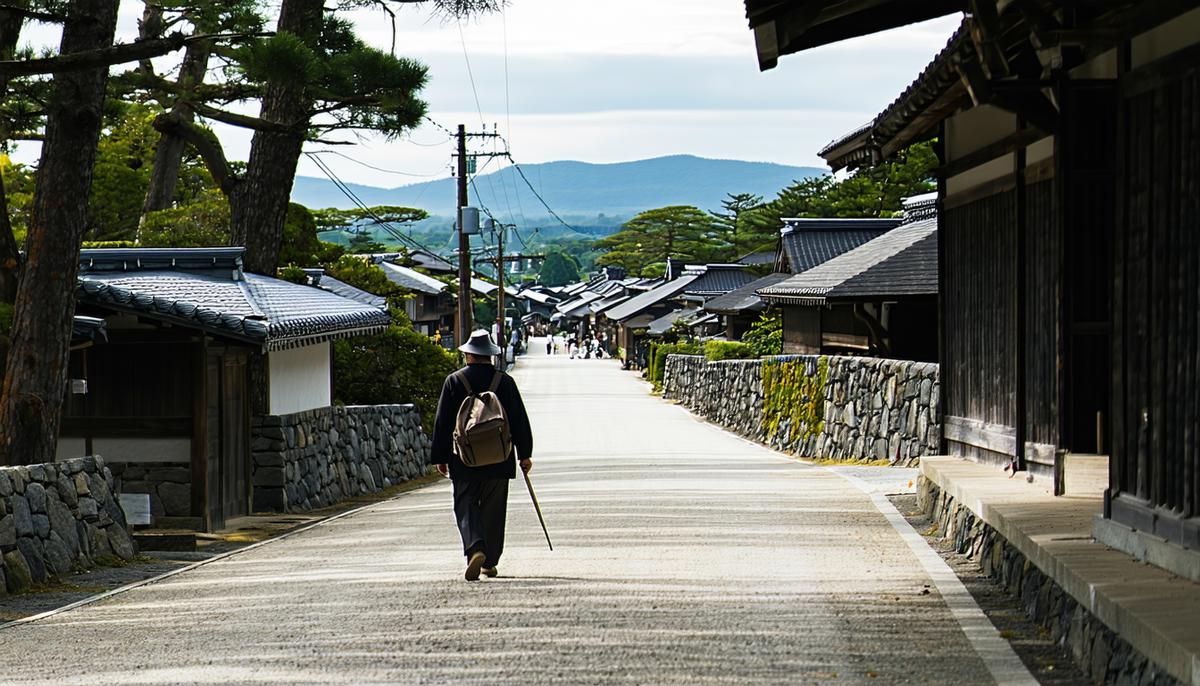
For those seeking a truly immersive historical journey, consider exploring the Nakasendo road, an ancient route connecting Kyoto and Edo (now Tokyo). This path, established in the 1600s, offers a unique glimpse into Japan’s feudal past. Here are some highlights:
- Visit the Hiroshige Museum of Art in Ena city to view ukiyo-e woodblock prints depicting scenes from the Nakasendo’s 69 stations.
- Explore Ochiai town’s honjin, a former inn turned museum, showcasing intriguing features like secret escape windows and ninja passages.
- Walk a preserved section of 400-year-old stone pavement near the Jikkoku Pass.
- Experience the bustling post town of Magome, with its reconstructed 17th-century high street and traditional shops.
- End your journey in Tsumago, a pristinely preserved town where cars are prohibited on the main street, offering an authentic step back in time.
For an truly authentic experience, consider staying in a ryokan, a traditional Japanese inn. These accommodations offer a glimpse into historical hospitality practices, complete with tatami rooms, communal baths, and elaborate multi-course meals.
Local Insights and Stories
As you explore Japan’s secluded temples and shrines, you’ll uncover more than just ancient structures – you’ll discover vivid tales and legends that have shaped local communities for centuries.
At Kifune Shrine in Kyoto’s forests, locals share stories of Tamayorihime, a goddess who rode a dragon from the sea to establish this place of prayer for rain and bountiful crops. Though times have changed, farmers still visit to honor their agricultural heritage.
In Kamakura, the Zeniarai Benzaiten Ugafuku Shrine is known for its wealth-multiplying waters. Legend has it that a deity appeared in a warrior’s dream, instructing him to build the shrine. Today, visitors wash coins in the sacred spring, hoping for good fortune.
Tsubaki Grand Shrine in Mie Prefecture, Japan’s oldest shrine to the god of strength and purification, is steeped in mythology. Stories of Sarutahiko-no-Mikoto, who guided deities from heaven to earth, are still shared by locals who claim to be his descendants.
At Jishu Shrine in Kyoto, dedicated to love and matchmaking, you’ll find the famous “love stones.” Local lore says that successfully walking between them with your eyes closed will bless your romantic pursuits.
You might meet elderly locals who guard legends about:
- Rock formations housing samurai spirits
- Trees considered homes of kami
Their tales connect the community’s past, present, and future, uniting residents in a shared identity.
As you wander these enchanted paths, remember that every step is accompanied by the whispers of those who came before. Listen closely, and their stories might reveal a piece of Japan's soul, becoming part of your own journey.
These hidden temples and shrines offer more than a glimpse into history; they invite you to become part of a living story. Embrace the experience, for in these quiet corners, you may find a piece of yourself reflected in the whispers of time.